




How to Choose the Right Excavator Parts
Choosing the right excavator parts is critical to ensuring equipment performance, safety, and long-term cost efficiency. Excavators operate under harsh conditions such as heavy loads, dust, vibration, and continuous operation, which place significant stress on components. Selecting suitable parts not only extends the service life of the machine but also minimizes downtime and reduces overall operating costs. This article explains the key factors to consider when choosing excavator parts and provides practical guidance for making informed decisions.
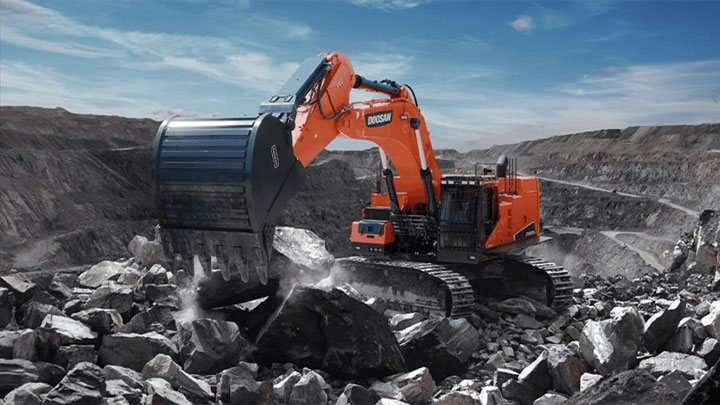
First, it is essential to clearly understand the specific excavator model and working conditions. Excavator parts are highly model-specific, and even parts that look similar may differ in size, material, or performance requirements. Before purchasing any component, operators should confirm the exact model number, serial number, and technical specifications of the excavator. In addition, working conditions such as rock excavation, demolition, mining, or general earthmoving directly affect part selection. For example, machines working in rocky or abrasive environments require reinforced buckets, wear-resistant teeth, and heavy-duty undercarriage components.
Original Equipment Manufacturer (OEM) parts versus aftermarket parts is another important consideration. OEM parts are produced by or for the excavator manufacturer and are designed to match the original specifications exactly. These parts typically offer high reliability, precise fit, and consistent performance, making them ideal for critical components such as hydraulic pumps, control valves, engines, and electronic systems. However, OEM parts often come at a higher cost. Aftermarket parts, on the other hand, are manufactured by third-party suppliers and may offer more competitive pricing. High-quality aftermarket parts can perform well, especially for wear parts like filters, seals, bushings, and track components, but quality can vary significantly between suppliers. Choosing reputable aftermarket brands with proven quality standards is essential.
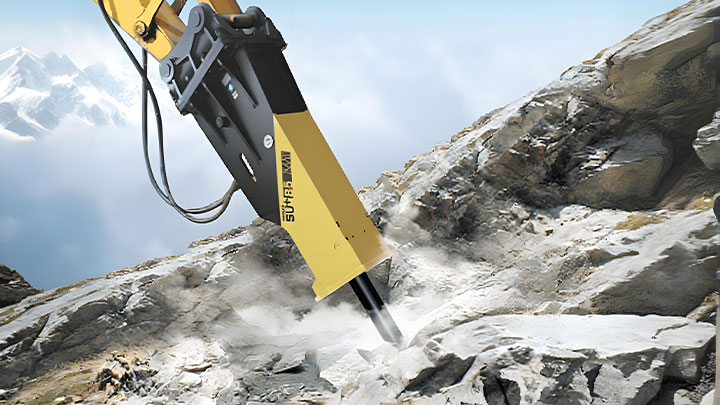
Material quality and manufacturing standards play a decisive role in part durability. Excavator parts such as pins, bushings, buckets, and breaker tools are subject to intense friction and impact. High-strength steel, advanced heat treatment, and proper surface finishing greatly improve wear resistance and fatigue life. When selecting parts, buyers should pay attention to material specifications, hardness ratings, and any certifications provided by the manufacturer. Inferior materials may reduce initial cost but often lead to faster wear, frequent replacements, and higher long-term expenses.
Hydraulic components require special attention due to their importance in excavator performance. Parts such as hydraulic hoses, cylinders, pumps, and seals must be compatible with the system’s pressure, temperature, and flow requirements. Using low-quality hydraulic parts can result in oil leaks, pressure loss, overheating, or even system failure. It is recommended to choose parts that meet or exceed the original pressure ratings and use seals made from materials resistant to heat, oil, and aging. Cleanliness is also critical; hydraulic parts should be stored and installed in clean conditions to prevent contamination.
Undercarriage parts are another major cost area for excavator owners. Components such as tracks, rollers, sprockets, and idlers account for a large portion of maintenance expenses. When choosing undercarriage parts, factors like machine weight, ground conditions, and working hours must be considered. For soft ground or muddy environments, wider tracks may improve stability and reduce wear. In abrasive conditions, parts with enhanced wear-resistant alloys and reinforced structures provide longer service life. Matching undercarriage parts as a complete system rather than replacing individual components randomly helps maintain balanced wear.
Availability and after-sales support should not be overlooked. Even the highest-quality parts lose value if they cannot be delivered quickly or supported effectively. Reliable suppliers should offer stable inventory, fast delivery, technical support, and clear warranty policies. For contractors working on tight schedules, the ability to obtain replacement parts promptly can significantly reduce downtime and project delays. Establishing long-term relationships with trusted suppliers often results in better pricing, consistent quality, and improved service.
Cost-effectiveness is a key principle when selecting excavator parts. The lowest price does not always mean the best choice. Instead, buyers should consider total cost of ownership, including purchase price, service life, maintenance frequency, and potential downtime. In many cases, slightly higher-quality parts provide better long-term value by lasting longer and maintaining machine efficiency. Evaluating parts based on performance over time rather than initial cost leads to more sustainable equipment management.
In conclusion, choosing the right excavator parts requires a balanced assessment of machine specifications, working conditions, part quality, supplier reliability, and overall cost efficiency. By carefully evaluating OEM and aftermarket options, focusing on material and manufacturing quality, and considering long-term operating requirements, operators can ensure optimal excavator performance and durability. Thoughtful part selection not only protects the machine but also enhances productivity and profitability in demanding construction and industrial applications.